

Prediction Markets and War: Why the US Is Debating a Targeted Ban
When forecasting becomes a bet on geopolitical events
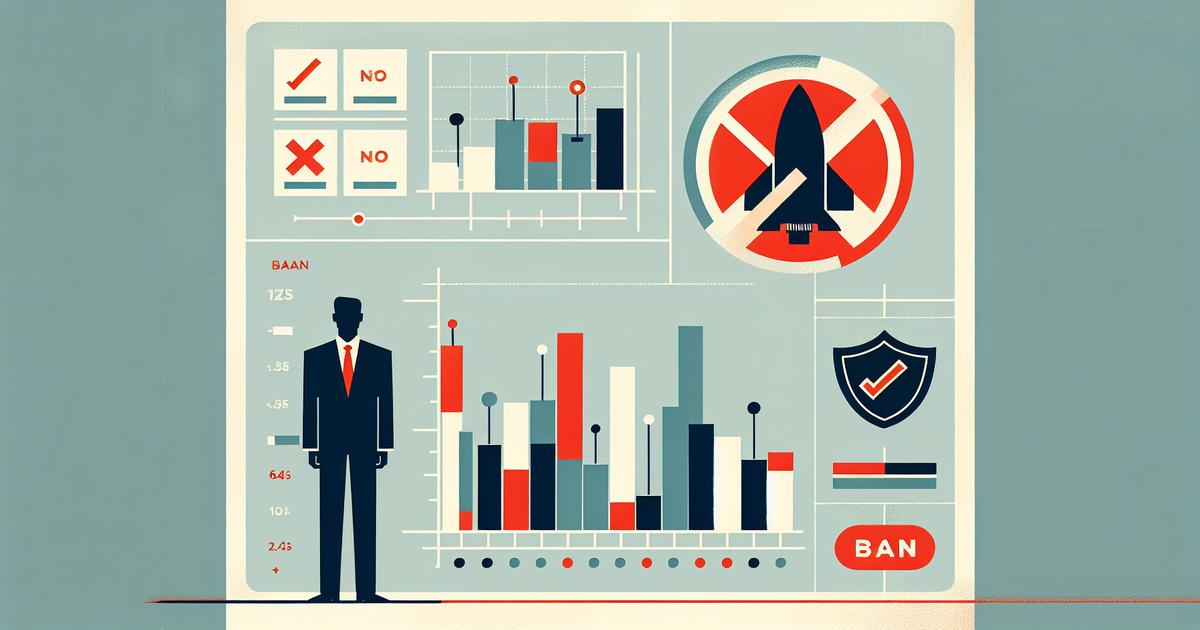
When Forecasting Becomes a Bet on Geopolitical Events
Prediction markets were born with an ambitious promise: to aggregate information dispersed among thousands of participants and turn it into probabilities useful for reading the future. In practice, however, on many platforms "forecasting" takes the form of a financial wager on an event: you invest on an outcome and profit if that outcome occurs.
When events involve sport, elections or macroeconomic data, the issue often remains confined to financial regulation and the boundaries of gambling. The problem changes in scale when the underlying becomes a military episode or an international escalation. In that case, the act of betting is not merely a risk choice: it can be perceived as a monetisation of war and, above all, as a mechanism that creates distorted incentives around scenarios of instability.
The BETS OFF Act: A "Context-Specific" Legislative Intervention
In the United States, two Democratic lawmakers have tabled a bill — the BETS OFF Act — with a specific objective: to prevent prediction market betting from operating during periods of war or conflict.
The idea of a targeted, rather than blanket, ban reveals a key point: the intention is not necessarily to eliminate the innovation of prediction markets, but to restrict their use in a context considered to carry high ethical, political and national security risks. The logic is similar to that which in finance leads to the activation of "circuit breakers" during periods of extreme stress: not because the instrument is always wrong, but because under certain conditions it amplifies unwanted dynamics.
The Polymarket Case and the Scrutiny Over Bets Tied to an Attack
The proposal comes in the wake of a specific episode: several accounts on Polymarket reportedly placed bets relating to a possible US-Israel strike against Iran. Without entering into the merits of the event's probability or the motivations of individual users, the political point is clear: allowing a liquid and accessible market on wartime outcomes risks creating a "war odds board".
A practical example helps illustrate the sensitivity: if a prediction market allows users to buy positions that increase in value as the probability of an attack rises, those holding those positions are economically exposed to escalation. This does not automatically mean they can cause it, but it introduces a reputational and regulatory friction: can society accept that profit be made from an increasing risk of conflict?
Incentives, Manipulation and Public Perception: The Real Issue
The central issue is not solely moral. It is also functional. In a prediction market, large amounts of capital can move prices and implied probabilities, generating narratives: "the market is pricing in an X% chance of war". In already tense contexts, that percentage can become an element that is cited, commented upon and amplified, with indirect effects on public opinion and decision-makers.
Furthermore, the very existence of a market can attract attempts at information manipulation: those who stand to benefit economically from a given outcome may have an interest in spreading rumours, leaks or ambiguous content to shift risk perception. Even short of outright manipulation, one point remains: the simple perception that "someone is betting on war" can erode trust in fintech platforms and fuel calls for public intervention.
Regulatory Implications for Platforms and Participants
A ban during periods of war or conflict would have significant operational consequences. Platforms would need to:
- define objective criteria for establishing when a condition of "wartime" or "conflict" is triggered;
- remove existing markets, block the creation of new ones and manage the orderly closure of open positions;
- implement stricter controls on categories of events with high geopolitical sensitivity.
For users, the availability of speculative instruments on these topics would change, and regulatory uncertainty would increase: if a market is suspended mid-course, understanding the rules around settlement, refunds and the treatment of open positions becomes essential.
Towards a Balance Between Innovation and Socially Acceptable Limits
The debate around the BETS OFF Act signals an important turning point for digital financial innovation: it is not enough for a product to "work" technically or to find demand. It must also clear a threshold of social acceptability, especially when it touches on security, war and international relations.
Prediction markets can offer informational value across many domains, but the idea of applying them to wartime scenarios puts three elements in tension: economic incentives, the risk of distortions and public legitimacy. The direction the United States is exploring is one of contextual regulation: leaving room for the instrument, but closing the door when the object of the "forecast" coincides with war.
Do you have questions?
Write to us!
We are at your disposal to answer all your questions and schedule a free consultation.
QuickExchange™
Via A. Maspoli, 7
(Sassi Center)
Opening hours
Mon–Fri 08:30–19:00
1st / last Sat 08:00–12:00
Sunday Closed
Public holidays Closed
Via Colombera, 10
Opening hours
Mon–Fri 09:00–19:30
Saturday 08:00–16:00
Sunday Closed
Public holidays Closed
Via Pobiette, 2
(Stabile Taiana)
Opening hours
Mon–Fri 08:30–18:00
Saturday Closed
Sunday Closed
Public holidays Closed
OFFICE CLOSED
August 10-21
Henry David Thoreau