

LG Smart TVs and the Growing Demand for Data Transparency
An investigation raises fresh questions about what some LG smart TVs may observe inside the home.
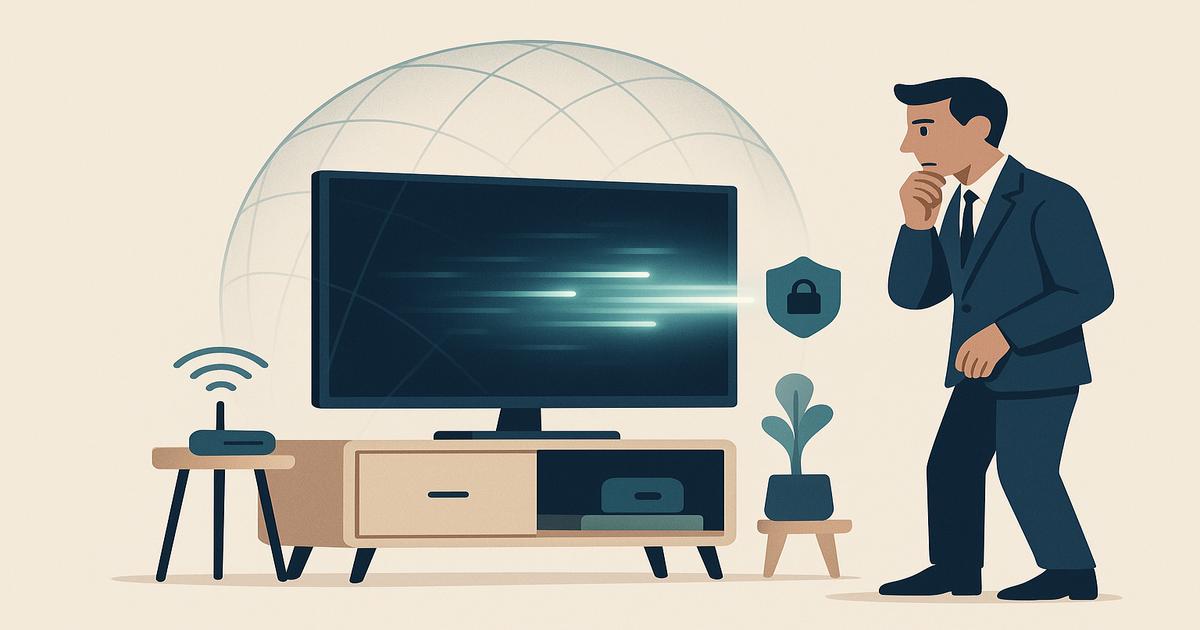
Smart devices have become ordinary household fixtures, but the trust placed in them is anything but ordinary. An investigation has raised questions about the behavior of some LG televisions, pointing to concerns that go beyond entertainment and touch the core of digital privacy inside the home.
The issue is not simply whether a television delivers content effectively. The larger question is what a connected screen may be able to detect, collect, or infer while sitting in a living room, bedroom, or shared family space. When a device is connected to the home network and positioned in one of the most private environments people have, even limited uncertainty about its data practices becomes significant.
Why a Television Is No Longer Just a Screen
A modern television connected to the internet is part of a broader smart-device environment. It may interact with services, respond to settings, and participate in a network of connected products inside the home. That makes its role very different from older televisions that simply received a signal and displayed images.
The concerns raised around some LG TVs focus on two especially sensitive areas: possible capture of audio from the domestic environment and possible detection of other devices present on the same home network. Either capability would carry serious implications if not clearly explained to users.
Audio in the home is inherently personal. A household conversation can reveal routines, relationships, preferences, concerns, and private decisions. Even the possibility that ambient sound could be acquired by a device changes the privacy equation. Users may understand that a smart television needs certain data to function, but they also need to know whether the device is capable of hearing more than they reasonably expect.
Network visibility is similarly important. A home network can reveal the presence of phones, laptops, tablets, work devices, and other connected equipment. If a television can identify or observe nearby devices on that network, the result may be a broader picture of the household’s digital life. That is not a minor technical detail; it is a meaningful privacy and security issue.
The Home Network as a Sensitive Space
People often think of privacy in terms of messages, photos, passwords, or financial accounts. But privacy also exists at the level of environment and context. Knowing which devices are connected in a home can say a great deal about how that home functions.
For example, the presence of multiple phones may suggest how many people are present. A work laptop may indicate professional activity taking place at home. A tablet or other connected device may point to personal routines. Even without reading the contents of those devices, awareness of their existence can become revealing.
This is why the possible detection of devices on a domestic network deserves careful scrutiny. It is not only a question of whether the data is used for a specific feature. It is also a question of whether users are clearly informed, whether they can meaningfully control the process, and whether the collection is proportionate to what the product actually needs to do.
Digital security is also part of the conversation. Every additional data pathway creates a responsibility. If a smart television gathers information about its environment or network, then that information must be handled with strong safeguards. Poorly explained or poorly governed data collection can weaken trust and increase concern about how connected products operate behind the scenes.
Transparency Must Be More Than a Policy Document
The central lesson from the concerns around some LG TVs is the need for clearer transparency. Users should not need to be technical specialists to understand what a smart device collects. Nor should they have to search through complex language to determine whether a product may capture audio or detect devices on a home network.
Transparency should be practical. It should explain what data is collected, why it is collected, when it is collected, and how users can limit it. The information should be presented in a way that matches the sensitivity of the data. Audio-related capabilities and network-device detection should not be treated as routine background details.
Consent also matters. A person buying a smart television may agree to basic connectivity features, but that does not automatically mean they expect broader environmental awareness. Clear choices should be available before sensitive collection occurs, and those choices should remain easy to revisit.
A Trust Test for the Smart-Device Industry
The concerns raised by this investigation are not only about one brand or one category of product. They reflect a wider challenge in the smart-device market: connected products are entering intimate spaces faster than public understanding can keep up.
Manufacturers that want long-term customer trust need to treat privacy as a core product feature, not as a legal afterthought. If a device may acquire audio from the home, that possibility must be explained plainly. If it may detect other devices on the network, users should be told in direct terms. If data is not necessary, it should not be collected.
For consumers, the message is equally important. Smart devices deserve the same level of scrutiny as phones, computers, and other connected tools. A television may look passive, but once connected to a network, it becomes part of the household’s digital perimeter.
The debate around LG TVs underlines a simple but urgent principle: people have the right to understand what their devices are doing in their homes. As smart technology becomes more embedded in daily life, transparency is no longer optional. It is the foundation of digital trust.
Do you have questions?
Write to us!
We are at your disposal to answer all your questions and schedule a free consultation.
QuickExchange™
Via A. Maspoli, 7
(Sassi Center)
Opening hours
Mon–Fri 08:30–19:00
1st / last Sat 08:00–12:00
Sunday Closed
Public holidays Closed
Via Colombera, 10
Opening hours
Mon–Fri 09:00–19:30
Saturday 08:00–16:00
Sunday Closed
Public holidays Closed
Via Pobiette, 2
(Stabile Taiana)
Opening hours
Mon–Fri 08:30–18:00
Saturday Closed
Sunday Closed
Public holidays Closed
OFFICE CLOSED
August 10-21
John Clifton "Jack" Bogle